
Key facts
The state’s longest river flows 252 miles from Hillsdale County, past farm fields and the state Capitol before emptying into Lake Michigan.1
Rachel Cuschieri-Murray, executive director of the Eaton Conservation District, said she wouldn’t dare swim in the stretch that flows by those halls of power where lawmakers decide Michigan’s most important issues.1
“You shouldn’t even put your hands in,” Cuschieri-Murray said.
If lakes are the heart of Michigan, its 76,000 miles of rivers and streams are its arteries and pulse, connecting communities, sustaining wildlife and feeding the Great Lakes.1
Despite federal mandates to ease pollution, an estimated 3 in 4 Michigan rivers and streams are so befouled by feces they don’t meet water quality standards meant to keep swimmers and anglers safe.1
The pollution does more than tarnish the Pure Michigan image.1
Michigan’s Boardman
The pollution spans the state, from small creeks to parts of major rivers like northern Michigan’s Boardman and Pere Marquette, mid-Michigan’s Tobacco, southwest Michigan’s Kalamazoo and the Rouge in metro Detroit.1
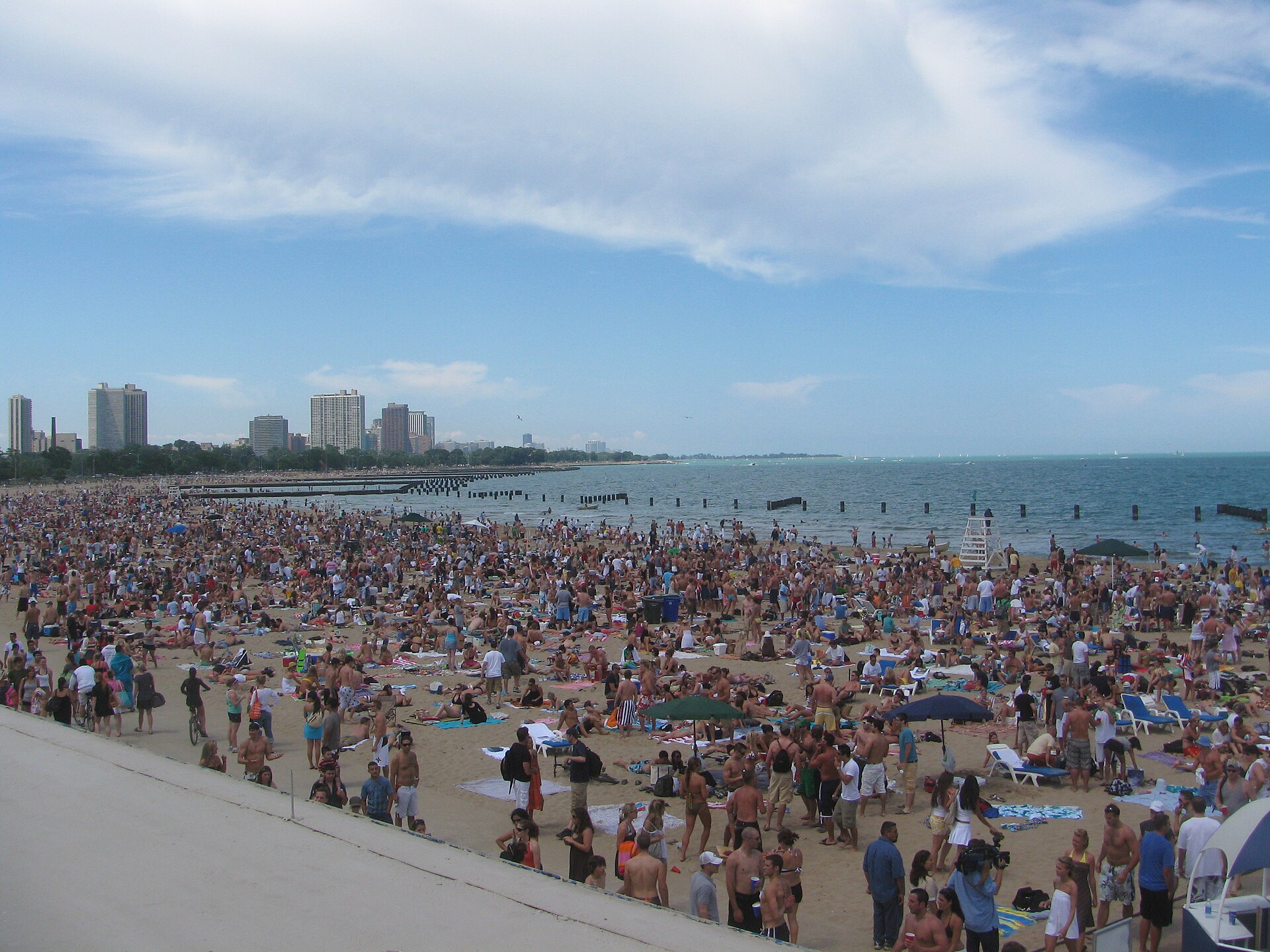
The risks extend to the state’s lakes, causing bacteria-related closures or advisories at dozens of beaches every summer.1
The state has so far tested roughly half of Michigan’s rivers and tributaries for E. coli, a gut bacteria regulated under the Clean Water Act as a proxy for fecal contamination.1
Based on results so far, an estimated 75% of Michigan’s rivers and streams likely exceed state limits for fecal contamination, said Molly Rippke, who leads E. coli testing for the Michigan Department of Environment, Great Lakes and Energy.1
Water quality fluctuates over time and most waterways aren’t routinely sampled.1
Still, Rippke said the numbers do “not look pretty.”1
A Political Deadlock
Legislators have done little as the problem got worse, fueled by manure runoff from large-scale farms and leaks from tens of thousands of home septic systems.1
The pollution violates the Clean Water Act and likely sickens thousands of swimmers, boaters and anglers a year from exposure to bacteria, viruses and parasites.1
Republican and Democratic lawmakers agree pollution is a problem, but disagree on solutions and where it ranks in the state’s long list of priorities.1
Environmental groups think state manure pollution regulations are too lax, and the livestock industry has sued to block enforcement of those rules.1
Money remains a perpetual obstacle, preventing cities from making repairs to leaky sewers and stopping lawmakers from requiring people to fix their failing septic systems.1
The inaction threatens to undermine investments taxpayers have made to reclaim Michigan’s rivers, including billions spent to dredge contaminated sediment, restore habitat and replace derelict factories with waterfront parks.1
A National Comparison
In Indiana, 74% of assessed river miles exceed regulatory limits.1
In Illinois, the figure is 83%.1
Nationally, a recent study from Environment America found elevated bacteria levels at 69% of monitoring locations across 17 states.1
It’s difficult to directly compare Michigan to its neighbors, because states vary in monitoring and levels of bacteria deemed unsafe.1
Megan Tinsley, Michigan Environmental Council Water Policy Director, said, “It’s just wild to me that this would be OK.”1
Joan Rose, a Michigan State University microbiologist who has extensively studied the problem, said, “Ultimately, a polluted environment is not going to allow for economic growth and it’s not going to allow for health and wellness.”1